Tracing Reward Pathways: How Engagement Incentives Build Cumulative Prize Systems in Global Digital Gaming Platforms
Geschrieben von Paul Sullivan · 17.10.2026
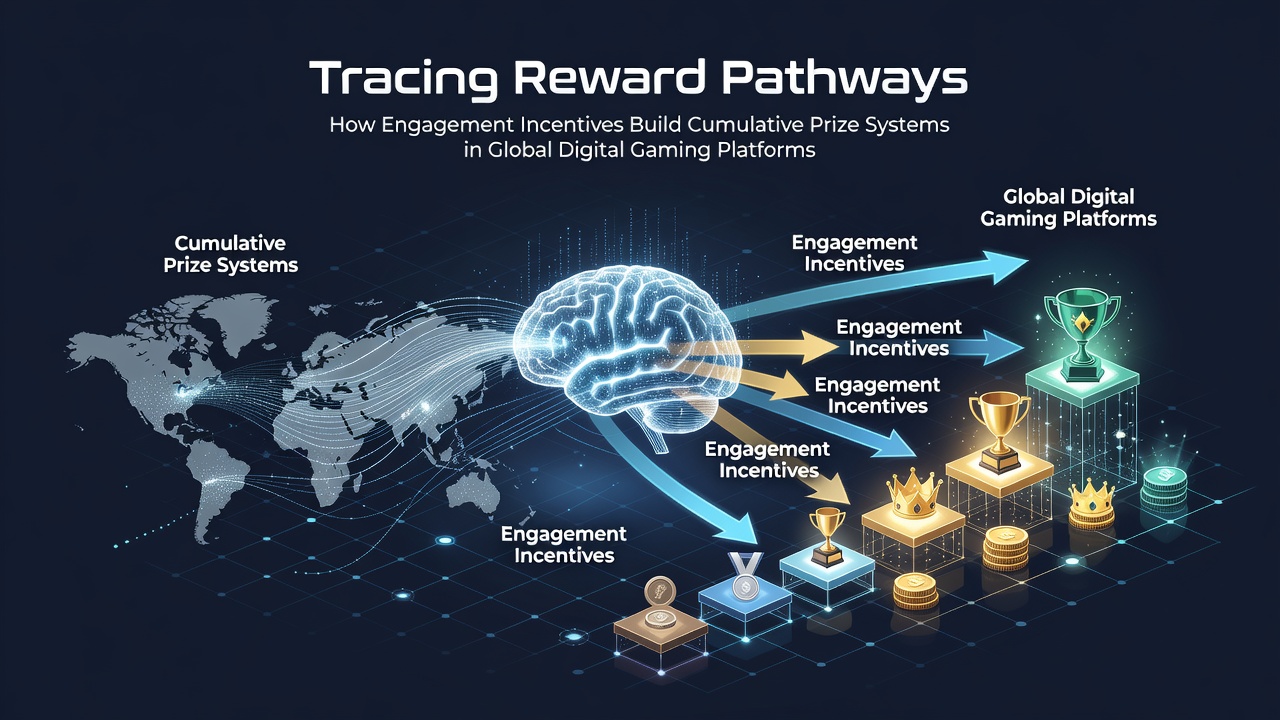
Tracing Reward Pathways: How Engagement Incentives Build Cumulative Prize Systems in Global Digital Gaming Platforms
Digital gaming platforms worldwide use engagement incentives to create layered reward structures that accumulate into larger prize systems, and these mechanisms operate through points, badges, and progression tiers that feed directly into cumulative pools. Researchers tracking user data across multiple regions note that daily login bonuses and challenge completions generate tokens which roll over into seasonal events, building value without resetting each cycle. According to industry reports from the Entertainment Software Association, such designs appear in major titles where players advance through tiers that unlock escalating rewards, and the process connects individual actions to shared jackpot-like outcomes in multiplayer environments.
Mechanics of Incentive Layering in Global Platforms
Engagement systems start with micro-rewards for routine tasks like completing quests or maintaining streaks, while these small gains convert into currencies that stack toward bigger milestones such as rare items or cash-equivalent prizes. Platforms integrate algorithms that track participation metrics, then route accumulated points into progressive structures where thresholds trigger releases from central prize funds, and this routing happens automatically across servers in different time zones. Data from platform analytics in October 2026 indicated steady growth in cumulative systems, with European and North American users showing similar patterns of reward accumulation that span weeks or months before payout events occur.
One common pathway involves battle pass models that require repeated logins and task fulfillment, yet the earned currency contributes to community-wide pools that grow with collective activity, and operators adjust contribution rates based on regional regulatory guidelines. In Asia-Pacific markets, mobile platforms often tie social sharing incentives to these pools, allowing referrals to accelerate individual progress while adding to the total available prizes, and studies from research institutions like those affiliated with the Canadian Gaming Association reveal how these connections sustain longer user sessions without direct cash deposits.
Regional Adaptations and Data Patterns
Platforms adapt cumulative systems to local rules, so North American services emphasize tournament entries funded by engagement points, whereas Australian operators link daily challenges to loyalty ladders that feed into seasonal jackpots. Figures released by the Interactive Games & Entertainment Association highlight participation spikes during major updates, and these updates frequently align reward pathways with new content drops that refresh the accumulation process. Observers note that cross-border users encounter adjusted rates for point-to-prize conversions, yet the underlying architecture remains consistent in routing incentives toward shared or personal cumulative totals.
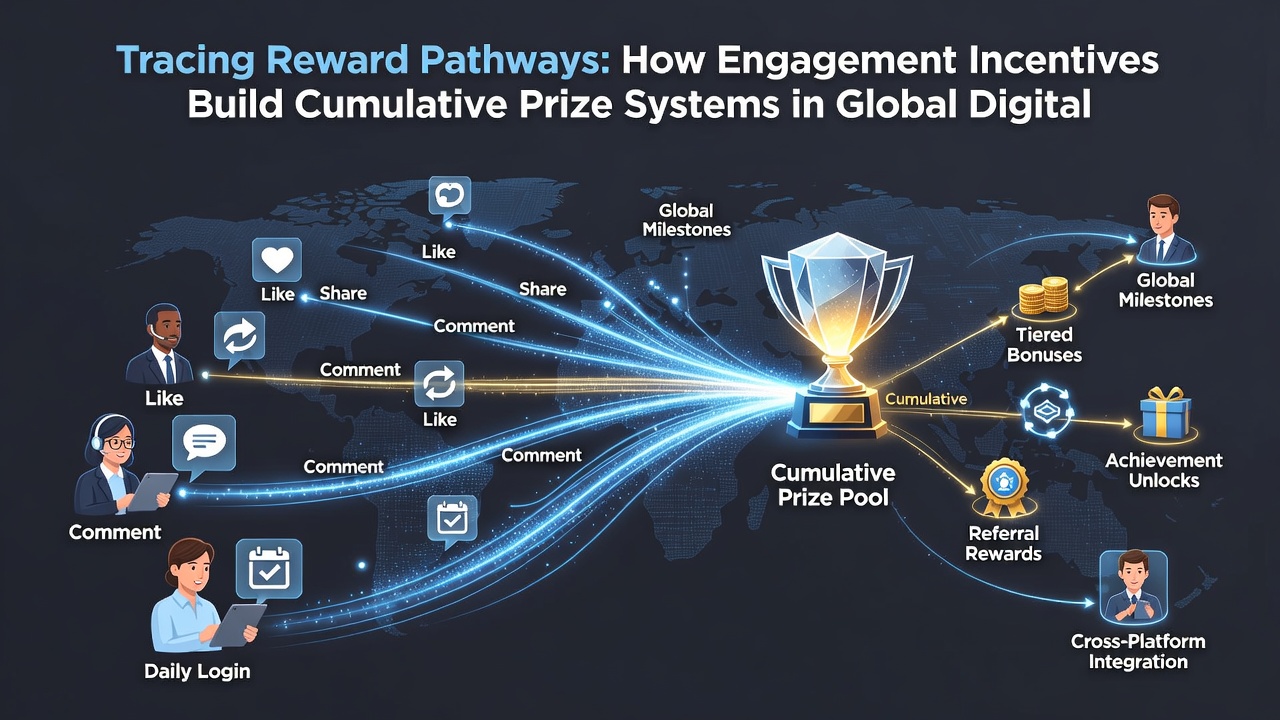
What's interesting is how October 2026 data from multiple platforms showed increased integration of AI-driven adjustments that balance reward distribution based on user behavior clusters, and these adjustments prevent over-accumulation in one region while maintaining fairness across global networks. Take one case where European users completed time-limited events that funneled points into a unified prize draw, and similar mechanics appeared in South American servers with localized currency conversions that still contributed to the same overarching system. Researchers discovered that retention metrics improved when pathways included visible progress bars tied to cumulative outcomes, and this visibility encouraged continued engagement without requiring external prompts.
Technical Infrastructure Supporting Accumulation
Backend databases log every incentive transaction, then algorithms aggregate the data into cumulative ledgers that determine prize releases at set intervals, and this infrastructure supports scalability across millions of simultaneous users. Security protocols verify point origins before they enter larger pools, while audit trails allow regulators to trace flows from individual actions to final distributions. Industry organizations report that platforms in multiple jurisdictions now publish transparency summaries detailing how engagement volumes influence prize sizes, and these summaries help users understand the pathways without needing advanced technical knowledge.
Yet the reality is that not all systems reset at the same cadence, so some retain partial progress across seasons while others clear lower tiers but preserve high-level cumulative entries. Data indicates hybrid models gain traction in 2026, blending short-term streaks with long-term vaults that grow through sustained activity, and this blend appears in both free-to-play and premium titles. Those who've studied platform logs observe that incentive multipliers applied during peak hours accelerate accumulation rates, directing more value into the shared systems that benefit active participants.
Conclusion
Global digital gaming platforms continue refining reward pathways that convert engagement incentives into cumulative prize systems, and these structures rely on precise tracking, regional compliance, and algorithmic balancing to function at scale. Evidence from industry reports and regulatory summaries shows consistent patterns where daily actions build toward larger outcomes, and October 2026 figures confirm ongoing expansion of such models across continents. Platforms maintain these systems through interconnected databases and transparent reporting, allowing users to follow how incentives accumulate without interruption.